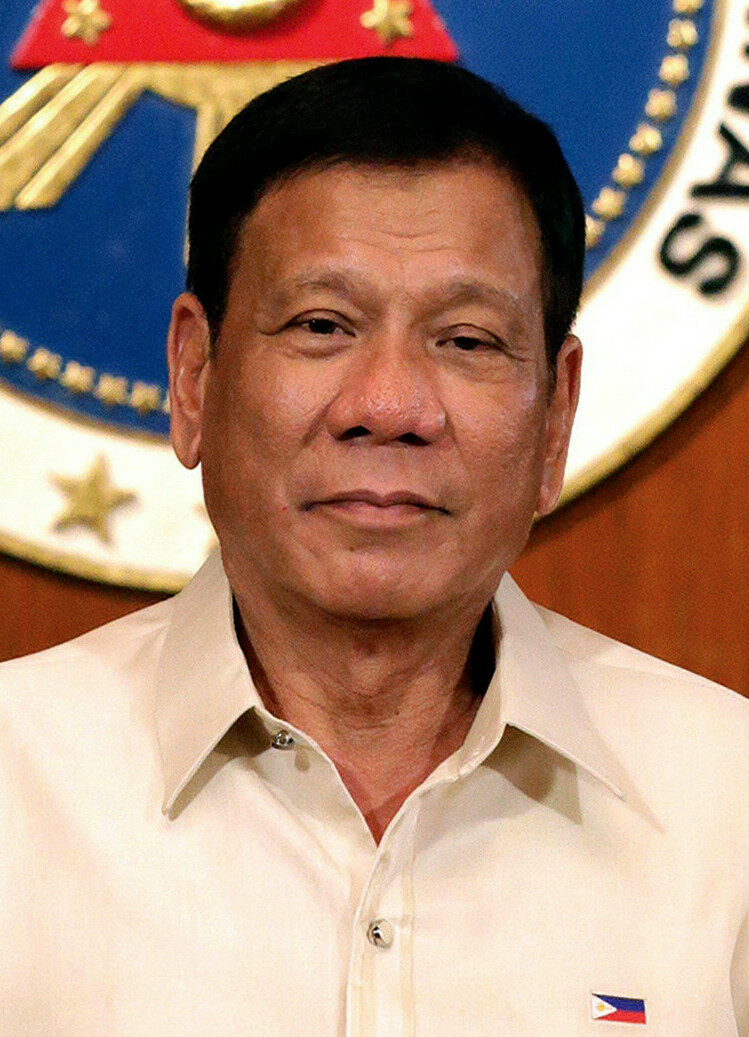
Presidents of the Philippines

Presidential Timeline

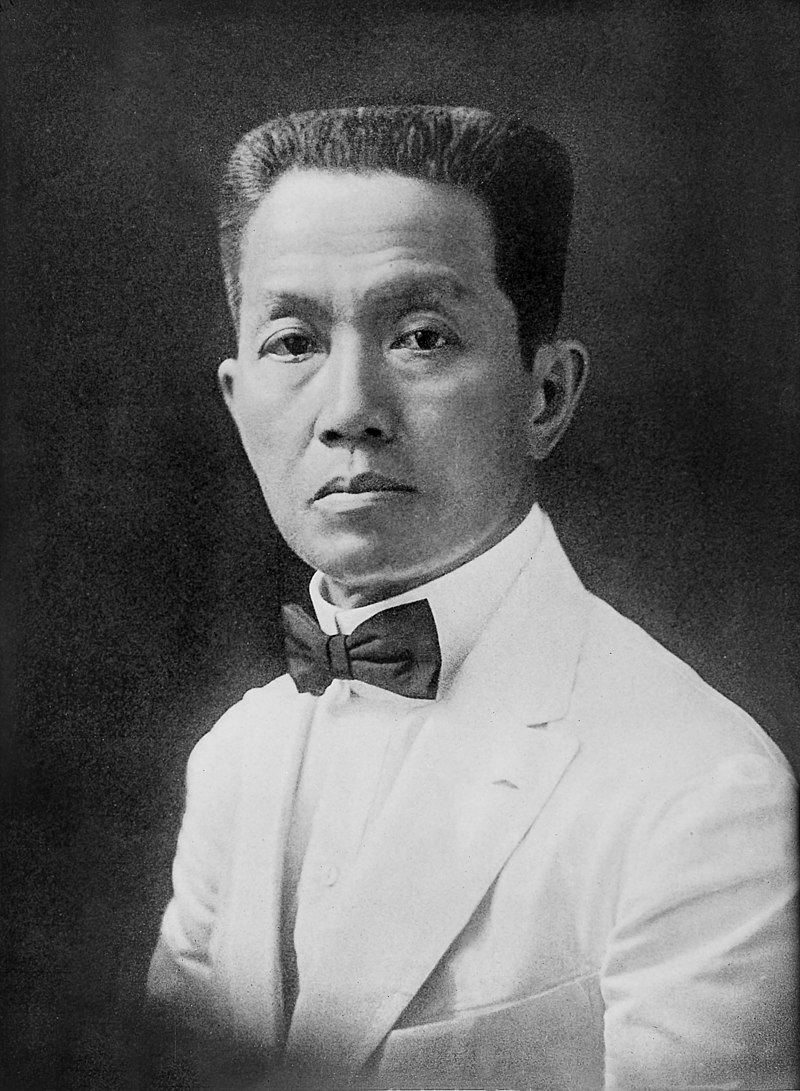
Emilio Aguinaldo

Emilio Aguinaldo

1899-1901

First President of the Republic

Led the Philippine Revolution against Spain and established the First Philippine Republic.

  • Declared Philippine Independence on June 12, 1898
  • Established the First Philippine Republic
  • Led the Philippine-American War
Manuel L. Quezon

Manuel L. Quezon

1935-1944

First President of the Commonwealth

Known as the "Father of the National Language" and led the country during the Commonwealth period.

  • Established Tagalog as the national language
  • Created the National Defense Act
  • Implemented social justice programs
José P. Laurel

José P. Laurel

1943-1945

President during the Japanese occupation

Served as president under the Japanese-sponsored government during World War II.

  • Promoted economic self-sufficiency
  • Advocated for Filipino unity during occupation
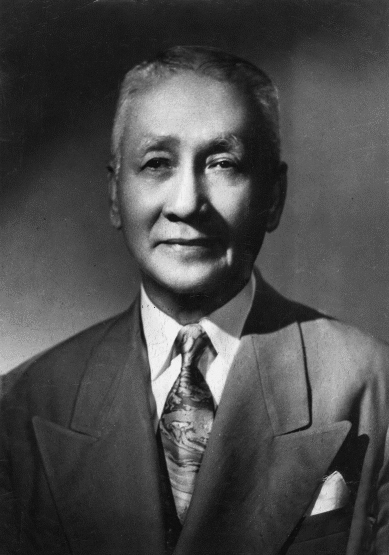
Sergio Osmeña

Sergio Osmeña

1944-1946

Second President of the Commonwealth

Oversaw post-war recovery and preparations for Philippine independence.

  • Worked closely with the Allied Powers
  • Rebuilt war-torn infrastructure
Manuel Roxas

Manuel Roxas

1946-1948

First President of the Republic after independence

Led the Philippines as an independent nation and focused on post-war reconstruction.

  • Signed the Bell Trade Act
  • Established the Rehabilitation Finance Corporation
Elpidio Quirino

Elpidio Quirino

1948-1953

Sixth President of the Philippines

Focused on post-war economic reconstruction and rural development.

  • Established the Central Bank of the Philippines
  • Promoted industrialization
Ramon Magsaysay

Ramon Magsaysay

1953-1957

The Champion of the Common Man

Focused on improving the lives of ordinary Filipinos.

  • Implemented land reform programs
  • Strengthened anti-corruption efforts
Carlos P. Garcia

Carlos P. Garcia

1957-1961

Advocate of Filipino First Policy

Promoted economic independence and cultural pride.

  • Implemented the Filipino First Policy
  • Promoted local industries
Diosdado Macapagal

Diosdado Macapagal

1961-1965

The Incorruptible

Known for instituting land reform and economic policies.

  • Moved Philippine Independence Day to June 12
  • Instituted the Land Reform Code
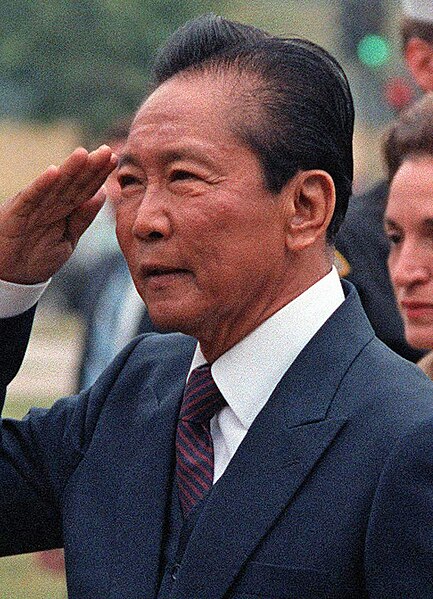
Ferdinand Marcos Sr.

Ferdinand Marcos Sr.

1965-1986

Longest-serving Philippine President

Known for his infrastructure projects and controversial Martial Law regime.

  • Implemented massive infrastructure projects
  • Declared Martial Law in 1972
Corazon Aquino

Corazon Aquino

1986-1992

First Female President

Led the country after the People Power Revolution.

  • Restored democracy in the Philippines
  • Established the 1987 Constitution
Fidel V. Ramos

Fidel V. Ramos

1992-1998

Philippine Renaissance Man

Focused on political stability and economic reforms.

  • Promoted deregulation and privatization
  • Improved infrastructure and energy policies
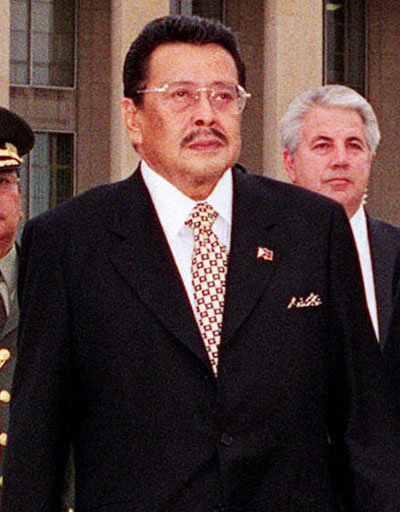
Joseph Estrada

Joseph Estrada

1998-2001

Erap Para sa Mahirap

Promoted pro-poor policies during his presidency.

  • Implemented agricultural development programs
  • Faced impeachment over corruption allegations
Gloria Macapagal-Arroyo

Gloria Macapagal-Arroyo

2001-2010

Second Female President

Focused on economic reforms and infrastructure development.

  • Increased GDP growth
  • Strengthened international relations
Benigno S. Aquino III

Benigno S. Aquino III

2010-2016

Anti-Corruption Advocate

Known for the "Daang Matuwid" governance.

  • Strengthened anti-corruption measures
  • Improved Philippine economy
Rodrigo Duterte

Rodrigo Duterte

2016-2022

Strongman President

Known for his controversial war on drugs and Build, Build, Build program.

  • Improved infrastructure through "Build, Build, Build"
  • Launched the war on drugs
Ferdinand Marcos Jr.

Ferdinand Marcos Jr.

2022-Present

Current President

Focused on economic recovery and digitalization of government processes.

  • Promoted renewable energy policies
  • Focused on agricultural development
  • Advocated for digital transformation

Major Presidential Achievements

Economic Reforms

  • Land Reform Program (Marcos)
  • Philippine Economic Zone Authority (Ramos)
  • Comprehensive Agrarian Reform Program (Aquino)
  • Tax Reform for Acceleration and Inclusion (Duterte)
  • Anti-Red Tape Act (Estrada)

Infrastructure Development

  • North and South Expressways (Garcia)
  • LRT and MRT Systems (Marcos, Ramos)
  • San Juanico Bridge (Marcos)
  • Philippine National Railway Rehabilitation (Duterte)
  • Skyway System (Estrada)

Social Programs

  • Universal Health Care Act (Duterte)
  • K-12 Education System (Aquino)
  • 4Ps Conditional Cash Transfer (Aquino)
  • Free Tuition Law (Duterte)
  • Pantawid Pamilyang Pilipino Program (Aquino)

Foreign Relations

  • South China Sea Arbitration Ruling (Aquino)
  • ASEAN Integration (Aquino)
  • Japan-Philippines Economic Partnership Agreement (Arroyo)
  • Expanded relations with China and US (Duterte)

Disaster Management

  • National Disaster Risk Reduction and Management Act (Aquino)
  • Relief Operations for Typhoon Yolanda (Aquino)
  • Establishment of the NDRRMC (Ramos)
  • Disaster Recovery Assistance (Duterte)

Environmental Programs

  • Philippine Clean Air Act (Estrada)
  • Reforestation Programs (Marcos)
  • National Integrated Protected Areas System Act (Ramos)
  • Expanded Renewable Energy Act (Aquino)
  • Environmental Sustainability Programs (Duterte)

Presidential Facts

Did You Know?

Emilio Aguinaldo was the youngest president at age 29 when he was inaugurated in 1899.

Presidential Terms

Ferdinand Marcos Sr. had the longest term as president, serving from 1965 to 1986.

Female Presidents

The Philippines has had two female presidents: Corazon Aquino and Gloria Macapagal-Arroyo.

First Commonwealth President

Manuel L. Quezon was the first president of the Commonwealth of the Philippines, a transitional government from American colonial rule.

Martial Law Era

Ferdinand Marcos Sr. declared Martial Law in 1972, which lasted until 1981, and was a key event in his presidency.

Independence Day Change

Diosdado Macapagal moved Philippine Independence Day from July 4 to June 12, commemorating the declaration of independence from Spain in 1898.

The 'People Power' Revolution

Corazon Aquino's presidency was ushered in after the peaceful 'People Power' Revolution in 1986, which ousted Ferdinand Marcos Sr.

Youngest Elected President

Ferdinand Marcos Jr. is the youngest elected president of the Philippines at 64 years old, taking office in 2022.

Impeachment First

Joseph Estrada became the first Philippine president to be impeached in 2000. He was later ousted through a second 'People Power' revolution in 2001.

First Female President

Corazon Aquino was the first female president in the Philippines and the first in Asia, breaking the political gender barrier in 1986.

Land Reform Success

Fidel V. Ramos is credited with the most successful land reform program in Philippine history, targeting rural poverty and inequality.

Infrastructure Legacy

Rodrigo Duterte's "Build, Build, Build" program aimed at improving the country’s infrastructure, including roads, airports, and bridges, to stimulate economic growth.

Longest Serving VP Turned President

Elpidio Quirino served as Vice President for 6 years before becoming the 6th President of the Philippines following the sudden death of Manuel Roxas in 1948.

Exiled President

Ferdinand Marcos Sr. was the only Philippine president who was exiled to Hawaii after being ousted from office in 1986.

Peace Negotiations

Gloria Macapagal-Arroyo initiated peace talks with insurgent groups like the Moro Islamic Liberation Front (MILF) during her presidency, striving to achieve lasting peace in Mindanao.